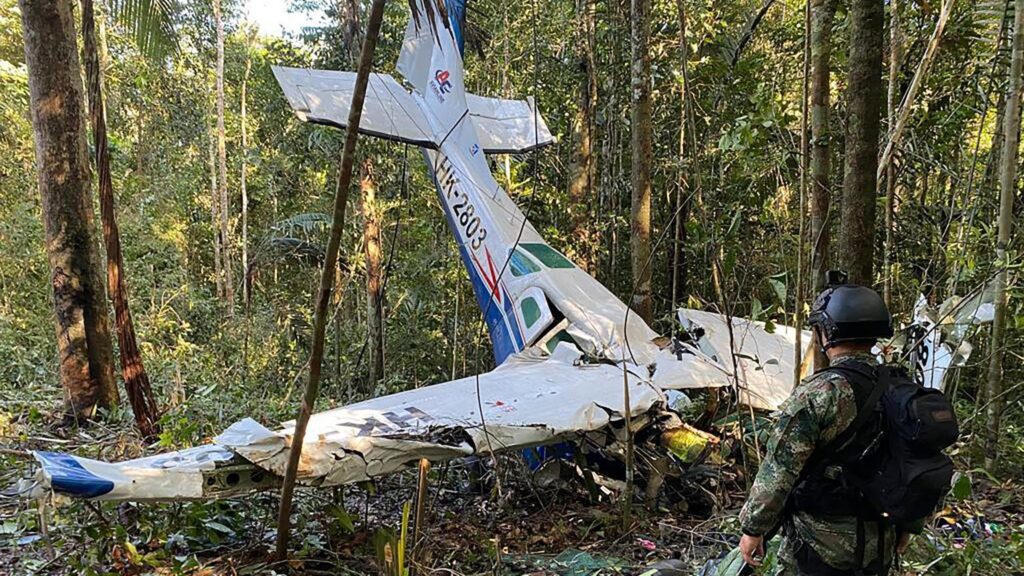
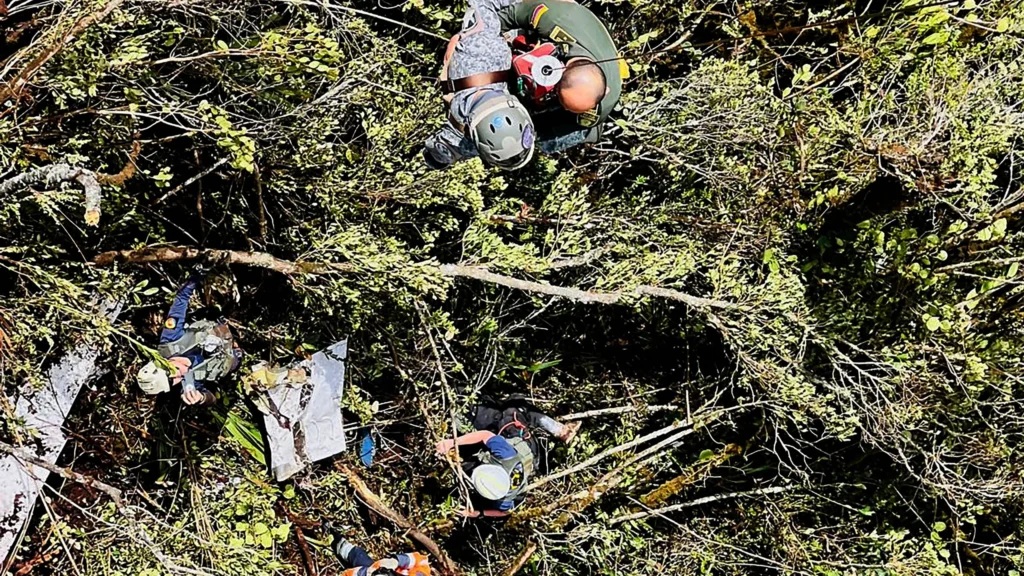
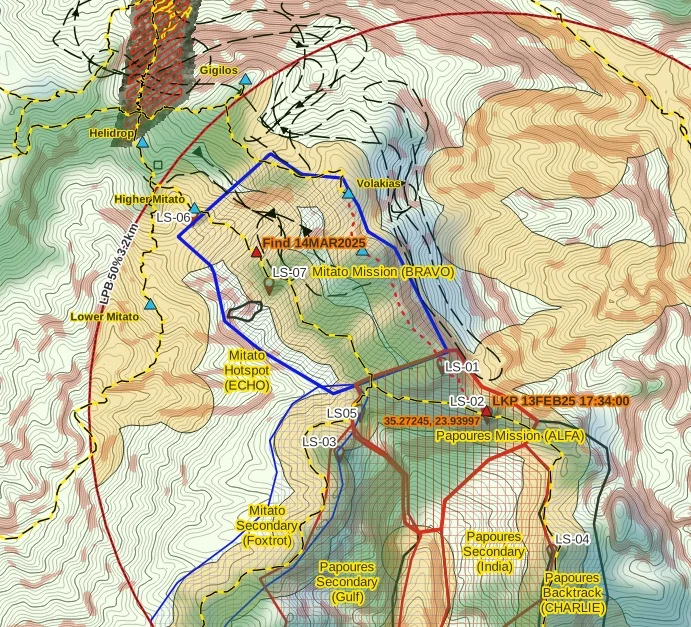
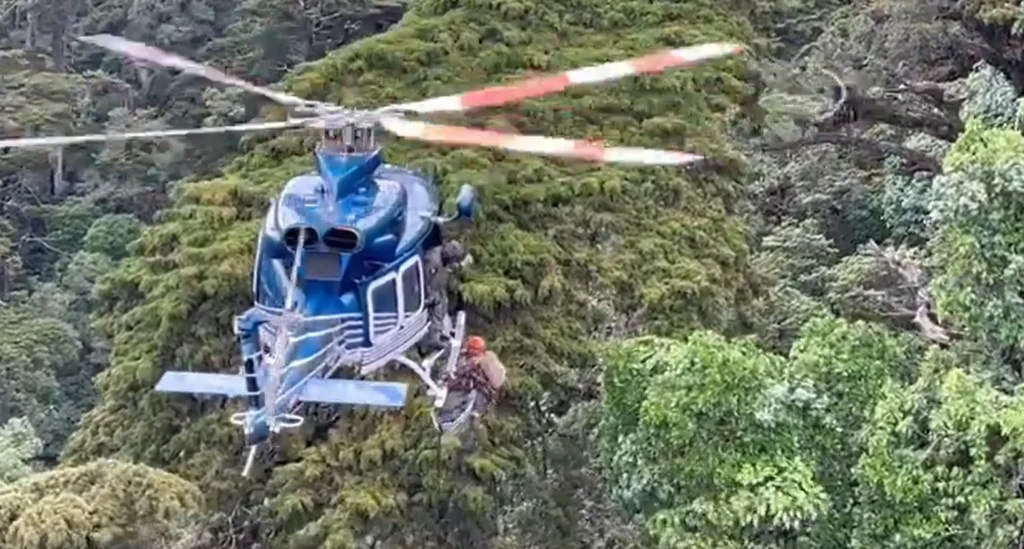
After local SAR Authorities struggled for 12 days to find the aircraft, our team got into the case delivering crucial intelligence that led to the finding of the missing aircraft HK2803 and later the search strategies that led to the finding of the 4 missing children aboard the aircraft.
Commander of Special Operations Command, confirmed they followed step by step our analysis and recommendations.
The Peruvian Air Force (FAP) requested support after the trainer combat aircraft FAP-446 went missing over the Pacific Ocean. Rescue International conducted a comprehensive Search Analysis using advanced methodologies and geospatial assessments to narrow the potential impact zone and evaluate the possibility that the pilot might be adrift.
In early 2024, a hiker in Spain stopped providing his routine updates, raising immediate concern due to possible underlying medical conditions. Rescue International promptly secured the information resources that would make possible to search efficiently, then coordinated directly with family and maintained continuous support to the Guardia Civil Mountain Rescue Team throughout the operation.
After a Cessna 402C with 10 people on board went missing in the mountains of Antioquia, Rescue International updated the last known position by 14 km and narrowed the search zone from 40 square kilometers to just a few hundred meters. Our data-driven recommendations enabled the SAR team to locate the aircraft the same day.
Tragically, there were no survivors, but precision intelligence transformed what could have been a multi-day operation into a highly focused and timely effort—crucial in weather-sensitive terrain.
A trail runner went missing in harsh winter conditions in mountainous Greece. Rescue International supported the family and SAR operations through realistic and effective strategies, network forensics and imagery analysis.
Volunteers assigned to a specific search area found the missing man validating the focused strategy. The case reflects the role of Rescue International in complex terrain where time and coordination are critical.
In January 2024, a Chinese national went missing in Ávila National Park near Caracas, Venezuela, after hiking in dense forest. The search area initially spanned several square kilometers, complicating ground efforts.
Rescue International’s cellular network forensics and witness analysis reduced the search zone from 3.8 km² to 0.639 km², pinpointing a linear feature of a few hundred meters. Local partners located the subject deceased within the refined corridor, highlighting the impact of combined technical and human intelligence.

A Cessna 172P lost contact over the jungles of Fuego Volcano in Guatemala. SAR teams initiated the search in a challenging terrain and immediately reached out for support.
After a SAR helicopter was deployed to the coordinates given by Rescue International’s specialized assets and analysis, the aircraft was found in the delineated 200m search corridor with a 5m precision.
After his vessel sank off the coast of Sucre, Venezuela, an American citizen managed to board a life raft and call for help. Rescue International was contacted by a local partners and managed to obtain satellite radar imagery to support the ongoing search.
Satellite imagery identified points of interest that helped authorities maintain assets in the area. Ultimately, local fishermen—aware of the case and instructed to stay in the search area—located the missing individual.
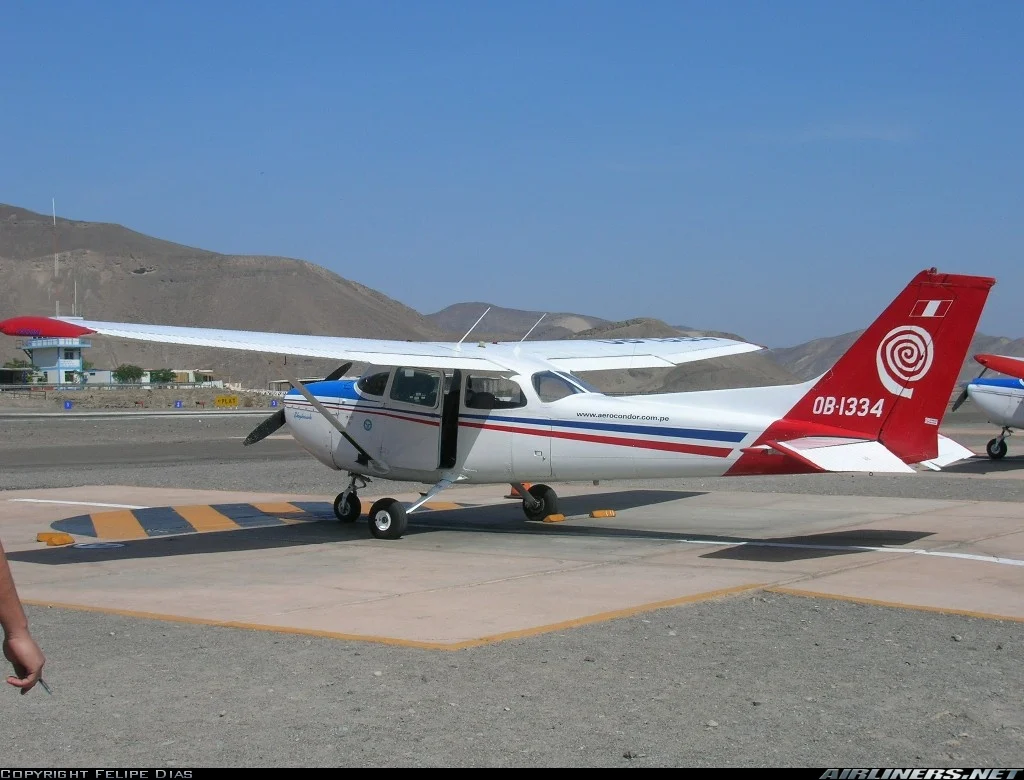
A Cessna 172 (OB1334) crashed into the sea near Huanchaco, Peru, during a training flight. All four occupants were reported missing after the crash.
Rescue International estimated the leeway using wind and ocean current models, providing local authorities with a precise search area. These estimations were key in directing the search efforts, thus helping the Peruvian Navy locate the bodies of the victims.